
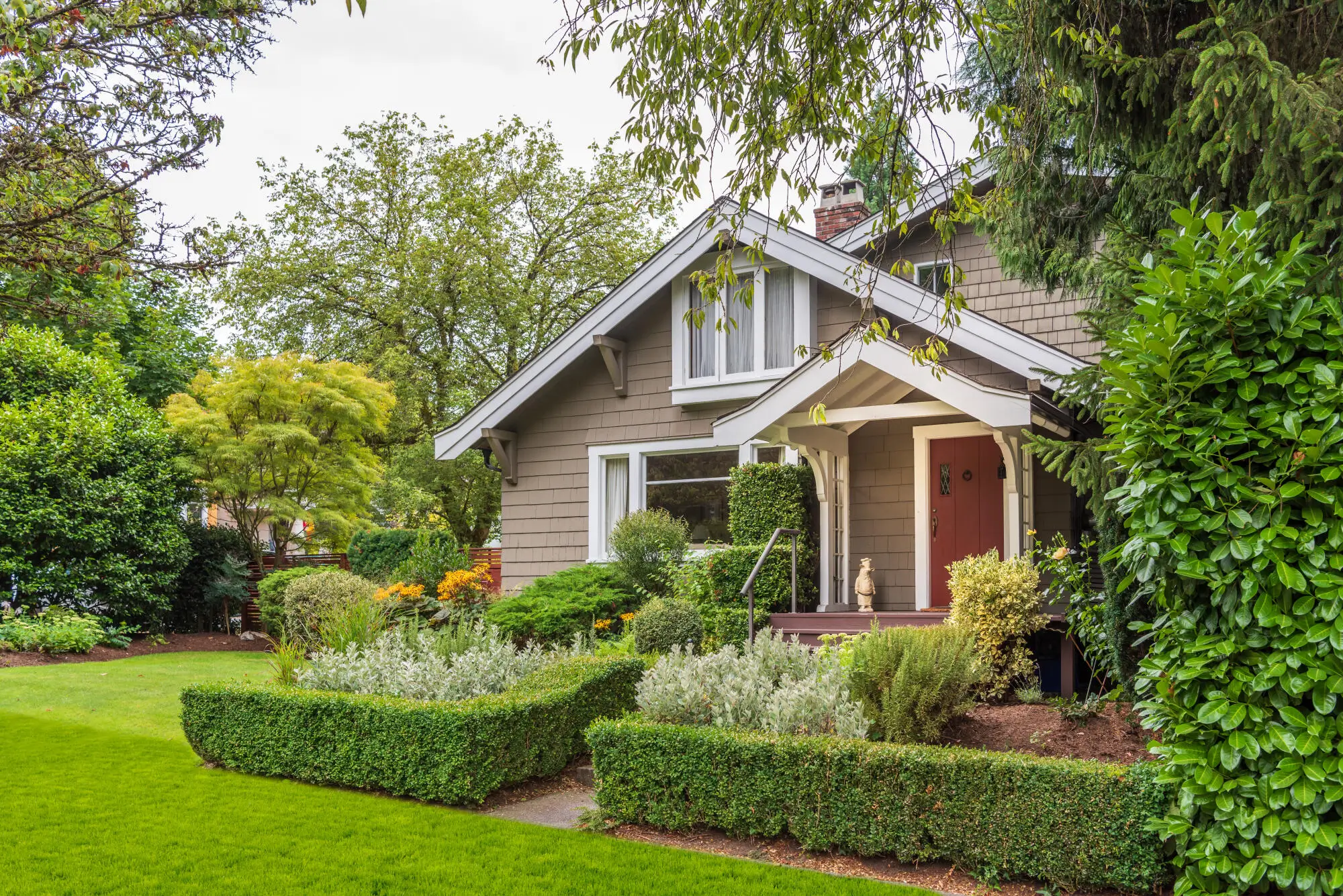
Landlords have a duty to handle rental property maintenance so that tenants have a home that is safe and suitable to live in. This includes ensuring the building is structurally sound, there are no electricity or plumbing issues, pests are taken care of promptly, and more. All of this also benefits you as your tenants will be happier, leading to longer leases, and your property will better retain its value.
Owning a rental property in the Dallas-Fort Worth area can be a rewarding investment, but it also comes with ongoing responsibilities. Proper maintenance is one of the most important aspects of successful property management. Whether you own a single DFW rental or a growing portfolio, understanding maintenance obligations and best practices is key to protecting your asset.
This guide offers practical landlord maintenance advice tailored to North Texas conditions, helping you preserve your property, enhance its value, and provide a safe, comfortable home for tenants.
Does a Landlord Have to Do Maintenance?
Yes, landlords in Texas are legally required to maintain rental properties in a condition that is safe and habitable. This includes addressing issues that materially affect the physical health or safety of tenants. In practical terms, property management responsibilities typically cover:
- Structural integrity
- Plumbing
- Electrical systems
- Heating
- Major appliances provided with the rental
For DFW rental properties, this also means being proactive about region-specific concerns, such as:
- HVAC performance during extreme heat
- Foundation movement due to soil conditions
- Storm-related wear and tear
Prompt maintenance keeps you compliant with state and local regulations and reduces the risk of costly emergency repairs. Consistent investment property care helps build trust with tenants and minimizes turnover, which can significantly impact cash flow.
What Is Considered a Maintenance Expense on a Rental Property?
A maintenance expense generally refers to costs incurred to keep a rental property in its current operating condition. These expenses are different from capital improvements, which add value or extend the life of the property. Common maintenance expenses include:
- Repairing leaks
- Replacing broken fixtures
- Servicing HVAC systems
- Pest control
- Landscaping
- Routine inspections
From a property management perspective, tracking these expenses is crucial for budgeting and tax purposes. In many cases, maintenance costs are tax-deductible in the year they are incurred, making them an important part of overall investment property care.
Regular upkeep also contributes to property value enhancement by preventing small issues from becoming major, more expensive problems. For landlords in the DFW area, allocating a realistic annual maintenance budget is a smart financial strategy. Many landlords budget roughly 1-3% of the property's value, so you can use this figure as a guide.
What Maintenance Is Required by the Tenant?
Tenants also play a role in maintaining a rental property, although their responsibilities are generally limited. Most lease agreements require tenants to keep the property clean, dispose of trash properly, and promptly report maintenance issues. They may also be responsible for minor tasks such as changing light bulbs, replacing HVAC filters, or maintaining the yard, depending on the lease terms.
Clear communication is essential. Well-drafted leases help avoid confusion by outlining exactly what maintenance is required by the tenant versus the landlord. Encouraging tenants to report issues early is a key piece of landlord maintenance advice, as it helps prevent damage that could reduce property value. In a competitive DFW rental market, cooperative tenant-landlord relationships contribute to smoother property management and longer tenancies.
Preventive Maintenance and Property Value Enhancement
Preventive maintenance is one of the most effective ways to protect and enhance your rental property's value. Scheduled inspections, seasonal servicing, and routine repairs can significantly extend the lifespan of major systems. For example, regular HVAC tune-ups are essential in North Texas, where systems work hard year-round.
Preventive care also improves tenant satisfaction and reduces vacancy rates. Well-maintained properties tend to attract higher-quality tenants and command stronger rental rates.
From a property management standpoint, preventive maintenance is not just another expense. Looking after your property this way is an investment in long-term performance and stability. Consistent rental property care helps ensure your DFW real estate remains competitive in a dynamic market.
Frequently Asked Questions
How Quickly Must a Landlord Respond to Maintenance Requests in Texas?
Texas law requires landlords to make diligent efforts to repair issues that affect tenant health or safety within a reasonable time, usually interpreted as seven days, though what is considered a "reasonable time" can vary based on the circumstances. Emergency issues, such as no air conditioning during extreme heat, should be addressed much sooner.
Can a Landlord Charge Tenants for Repairs?
Landlords can only charge tenants for repairs if the tenant caused the damage beyond normal wear and tear and if this is clearly stated in the lease. Routine maintenance remains the landlord's responsibility.
Is Preventive Maintenance Really Worth the Cost?
Yes. Preventive maintenance reduces emergency repair expenses, extends the life of systems, and supports property value enhancement. Over time, it often costs less than reactive repairs, making it a financially responsible approach.
Should Landlords Use Professional Property Management for Maintenance?
Many owners find that professional property management offers various benefits, including:
- Streamlining maintenance coordination
- Ensuring legal compliance
- Providing access to trusted vendors
- Greater tenant satisfaction
This is especially helpful for out-of-state owners who cannot easily visit their rental property. The same is true for investors who own multiple rental properties, as staying on top of things can be very difficult for someone who is trying to handle multiple properties alone.
What Maintenance Issues Cause the Most Problems in DFW Rentals?
Some of the most common include:
- HVAC failures
- Plumbing leaks
- Foundation movement
- Storm damage
Regular inspections and timely repairs help mitigate these risks.
Rental Property Maintenance to Protect Your Investment
Effective rental property maintenance is a cornerstone of successful property management in the DFW area. By understanding legal responsibilities, budgeting for maintenance expenses, and encouraging tenant cooperation, landlords can protect their investments and improve long-term returns. Preventive maintenance and thoughtful investment property care not only reduce stress but also contribute to meaningful property enhancement.
Salsberry Property Management & Realty, LLC has been helping property investors in the DFW area for over 17 years. We've leased more than 300 properties and offer a full range of services to help you achieve your real estate investment goals.
Contact us today to get started.